

A blood bank needs more than just a refrigerator. Different equipment is used at different stages, from blood collection and testing to component processing, storage and transportation.
The right equipment depends on the size of the blood bank, the services it provides and its day-to-day workload. Understanding the purpose of each equipment category makes it easier to plan a blood bank setup.
In this guide, we explain the commonly used blood bank equipment in simple terms.

Blood Bank Equipment List
| Equipment | Main Purpose |
|---|---|
| Blood Bank Refrigerator | Controlled storage of blood and blood components |
| Blood Collection Monitor | Monitoring blood collection during donation |
| Blood Bag Tube Sealer | Sealing blood bag tubing securely |
| Refrigerated Centrifuge | Separation and processing of blood components |
| Platelet Incubator | Controlled storage of platelets |
| Platelet Agitator | Gentle continuous agitation of platelets |
| Blood Transportation Box | Safe transportation of blood and samples |
| Phlebotomy Chair | Comfortable positioning during blood collection |
| Gel Card Incubator | Incubation of gel cards for blood bank testing |
| Gel Card Centrifuge | Centrifugation of gel cards during testing |
| RH View Box | Support for blood grouping and Rh testing |
The exact combination will vary according to the blood bank’s activities and requirements.
1. Blood Bank Refrigerator
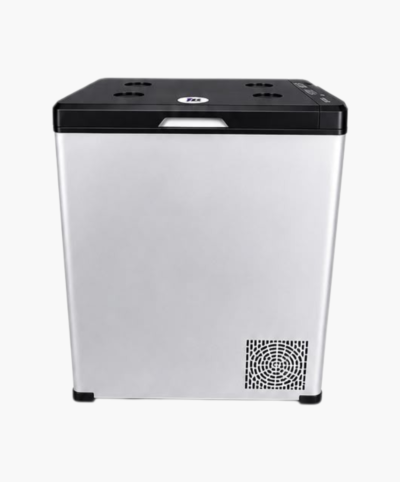
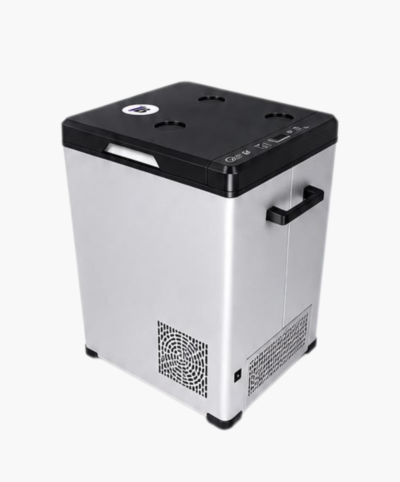
A blood bank refrigerator is one of the most important pieces of equipment in a blood bank. It provides controlled-temperature storage for blood and relevant blood components.
A dedicated refrigerator also makes it easier for staff to monitor storage conditions and organise blood units properly.
Used for: Blood storage and temperature-controlled preservation.
2. Blood Collection Monitor
During blood donation, the collection process needs to be monitored properly. A blood collection monitor helps monitor factors such as collection time and blood volume while the blood is being collected.
This can make the collection process more controlled and consistent.
Used for: Blood donation and collection procedures.
3. Blood Bag Tube Sealer
After blood collection, the tubing attached to a blood bag may need to be sealed securely. A blood bag tube sealer is designed specifically for this purpose.
For example, IBPL Group’s blood bag tube sealer uses high-frequency RF dielectric technology and is designed for rapid tube sealing. The product information specifies a sealing time of approximately two seconds per tube.
Used for: Secure sealing of blood bag tubing.
4. Refrigerated Centrifuge
A refrigerated centrifuge is used when blood components need to be separated under controlled conditions.
Centrifugation allows different components of a blood sample or collected blood to be separated according to their physical properties. Temperature control can be important for applications where maintaining suitable sample conditions is required.
Used for: Blood component processing and laboratory applications.
5. Platelet Incubator and Agitator
Platelets require appropriate storage conditions. A platelet incubator provides controlled environmental conditions, while a platelet agitator keeps platelet bags gently moving during storage.
These two pieces of equipment can therefore work together as part of platelet storage management.
Used for: Platelet storage and handling.
6. Blood Transportation Box
Blood does not only need to be stored safely—it may also need to be transported between locations.
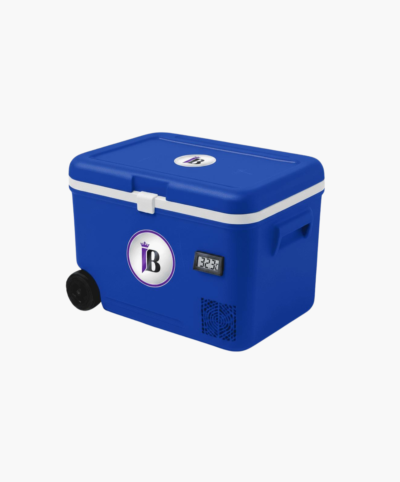
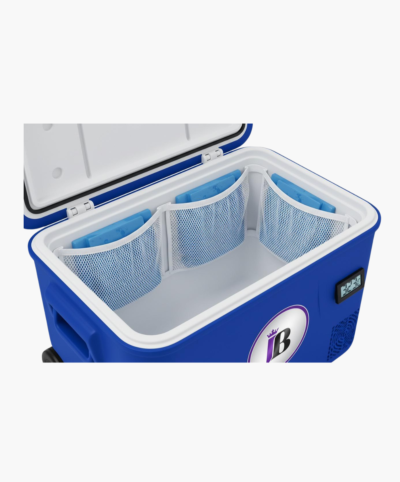
A blood transportation box is designed to help maintain suitable conditions during transportation. IBPL Group’s listed blood transportation box uses insulation, pre-frozen ice packs and an internal temperature display for monitoring.
Used for: Transportation of blood bags and temperature-sensitive samples.
7. Phlebotomy Chair
The collection area also needs suitable furniture. A phlebotomy chair provides appropriate positioning and support for donors during blood collection.
IBPL Group’s listed model includes adjustable positioning, padded seating and adjustable blood collection splints.
Used for: Donor positioning during blood collection.
8. Gel Card Incubator
A gel card incubator is used in blood bank and immunohematology testing workflows where gel cards require controlled incubation.
For example, IBPL Group lists a gel card incubator designed to maintain a working temperature of 37°C, with a built-in timer.
Used for: Gel card-based blood bank testing procedures.
9. Gel Card Centrifuge
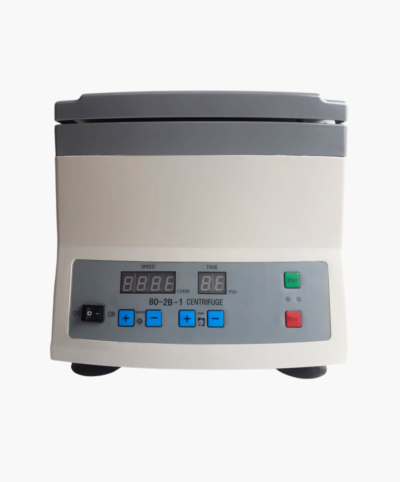
A gel card centrifuge is designed specifically for centrifuging gel cards used in blood banking and immunohematology applications.
Its purpose is different from a general laboratory centrifuge because it is designed around the requirements of gel card testing.
Used for: Gel card centrifugation and blood bank testing.
10. RH View Box
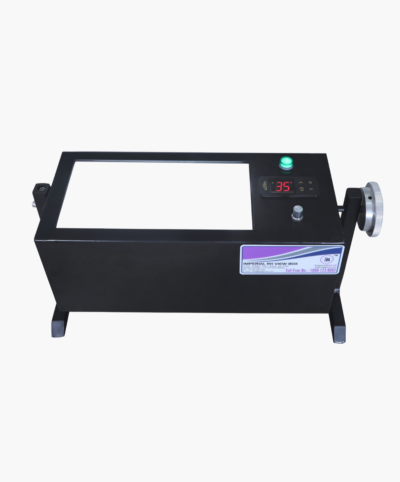
Blood grouping and Rh testing require proper observation conditions. An RH view box provides controlled viewing and temperature conditions for relevant slide-based testing applications.
IBPL Group’s listed RH View Box is designed for blood grouping, Rh slide testing and cross-matching applications.
Used for: Blood grouping, Rh testing and cross-matching applications.
How Do These Equipment Work Together?
A blood bank is essentially a workflow rather than a collection of individual machines.
A simplified process looks like this:
Blood Collection → Testing → Component Processing → Storage → Transportation / Issue
Different equipment supports different stages:
| Stage | Equipment Examples |
|---|---|
| Collection | Phlebotomy Chair, Blood Collection Monitor |
| Sealing & Handling | Blood Bag Tube Sealer |
| Testing | RH View Box, Gel Card Incubator, Gel Card Centrifuge |
| Processing | Centrifuge |
| Storage | Blood Bank Refrigerator, Platelet Incubator & Agitator |
| Transportation | Blood Transportation Box |
This is why selecting equipment as a complete workflow is often more useful than choosing individual machines separately.
What Should You Consider Before Buying Blood Bank Equipment?
Before purchasing equipment, consider:
1. Purpose
First identify what the equipment will actually be used for.
2. Capacity
Choose capacity according to the expected number of blood units, samples or procedures.
3. Temperature Control
For storage equipment, appropriate temperature monitoring and control are particularly important.
4. Space
Check the available installation area, electrical requirements and accessibility.
5. Maintenance & Support
Consider servicing, warranty, spare parts and technical assistance before making a purchase.
6. Compliance Requirements
Equipment should be selected according to the applicable requirements, standards and procedures for the intended healthcare application.
Frequently Asked Questions
01. What is the most important equipment in a blood bank?
There is no single most important machine. Blood bank refrigerators, collection equipment, testing equipment, processing equipment and transportation solutions all serve different but important functions.
0.2 What equipment is used for blood collection?
Common examples include blood collection monitors and suitable donor or phlebotomy chairs.
0.3 Which equipment is used for blood component processing?
Centrifuges are commonly used for component separation and processing, while additional equipment may be required depending on the specific blood component and workflow.
0.4 Why is a blood bank refrigerator required?
It provides controlled storage conditions for blood and relevant blood components and helps maintain organised, monitored storage.
Choosing Blood Bank Equipment
There is no single equipment list that is suitable for every blood bank. A small facility may have different requirements from a large blood centre with extensive component processing and testing capabilities.
The best approach is to first understand the blood bank’s workflow, capacity and services, and then select equipment accordingly.
IBPL Group offers a range of blood bank equipment and related healthcare solutions, including blood storage, transportation, collection, testing and processing equipment. You can explore the available range through the Blood Bank Equipment category.