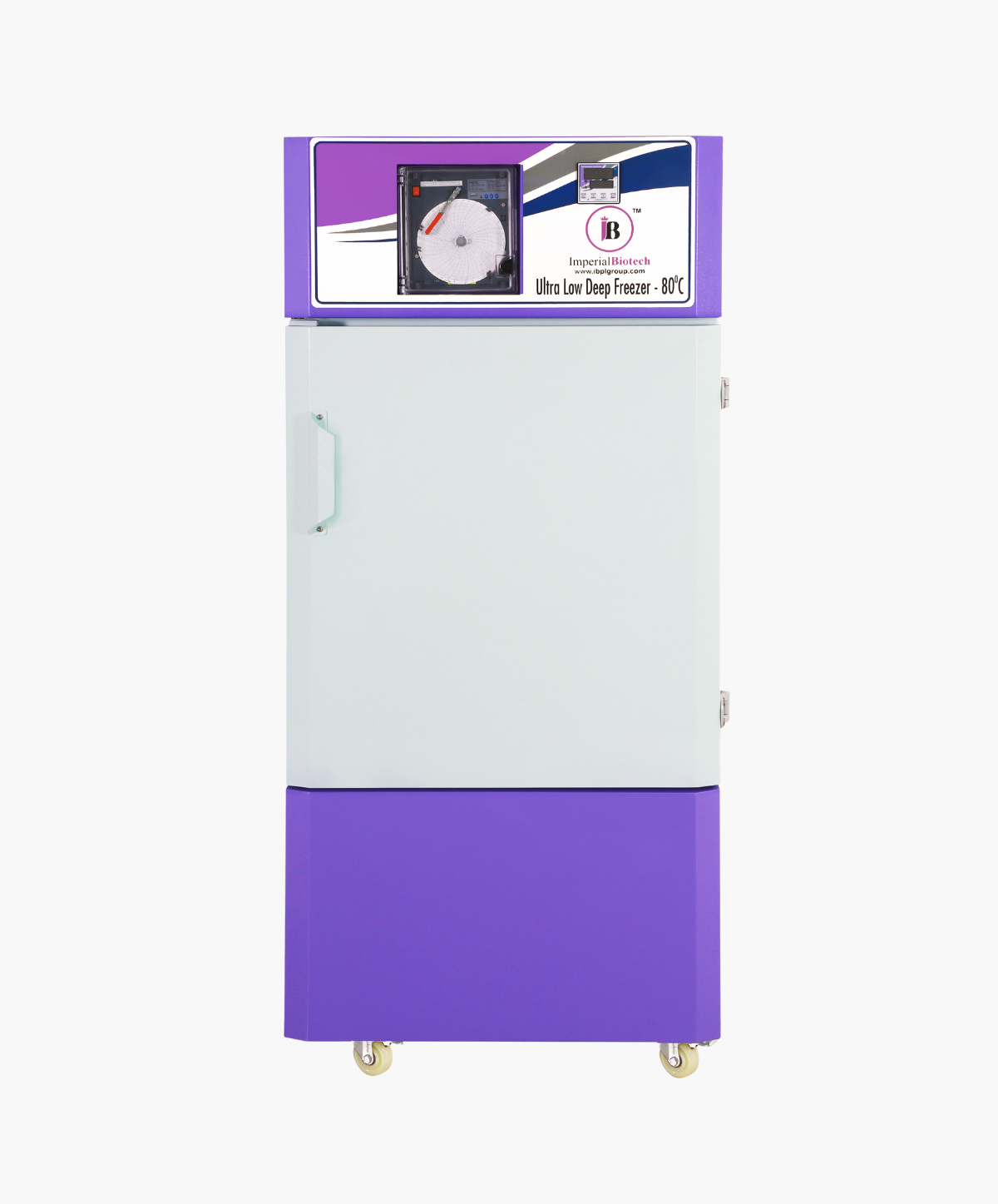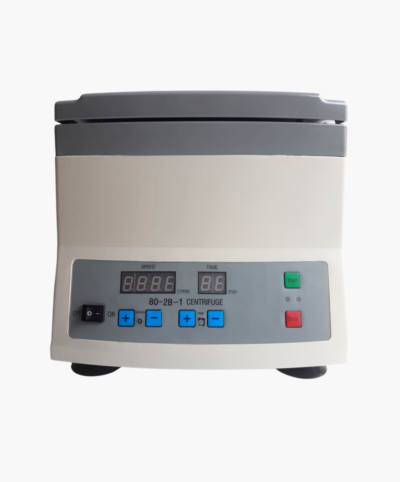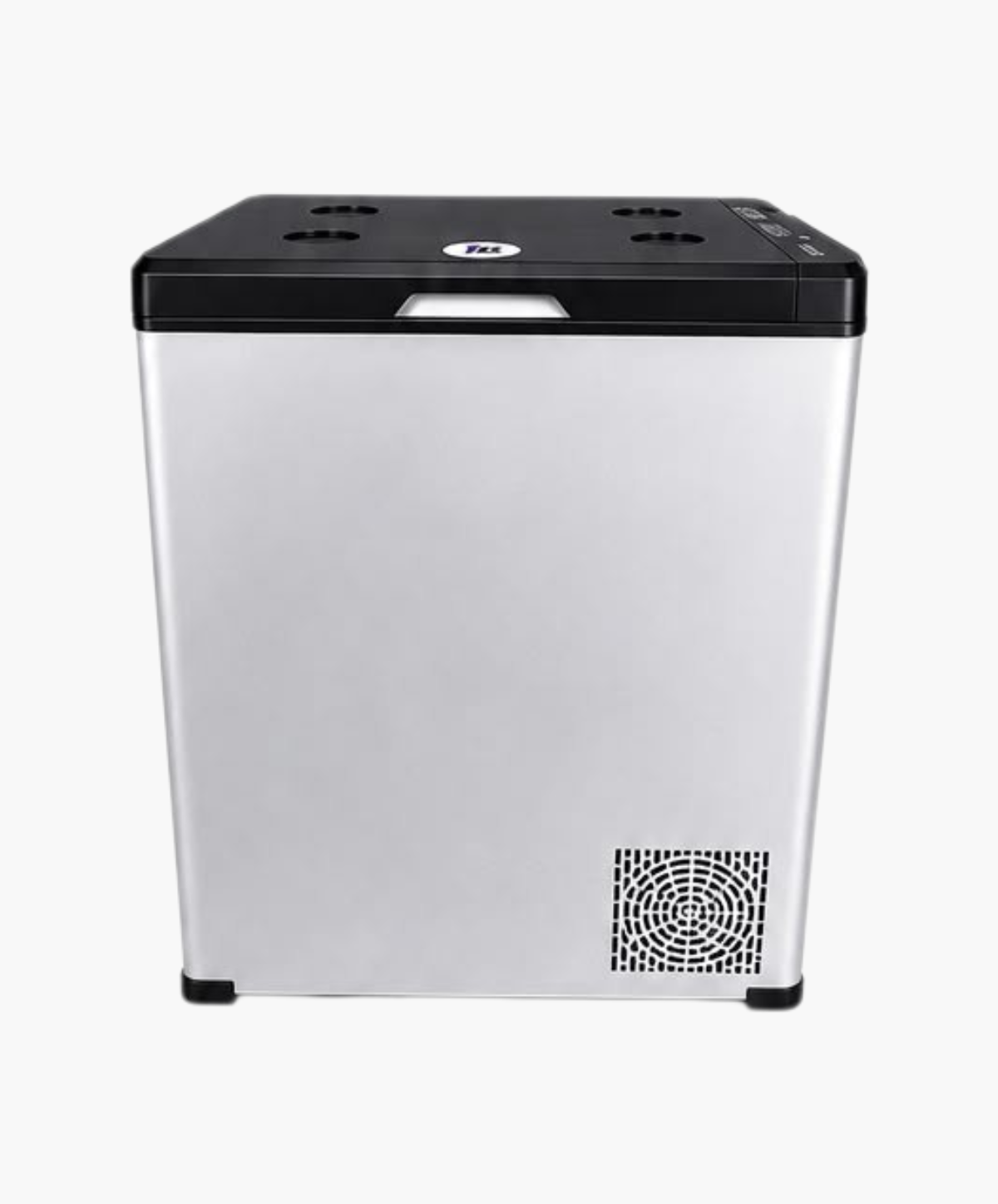


When people search for the largest medical equipment supplier, they usually want more than the name of a company. They want to understand what actually makes a medical equipment supplier reliable, what products it should provide, what quality standards to look for, and how to choose the right supplier for a hospital, laboratory, blood bank or healthcare facility.
There is no single company that can be called the “largest” for every medical equipment category or every country. Medical equipment is a broad industry covering hospital equipment, laboratory instruments, blood bank equipment, diagnostic systems, patient-care products and many specialised devices.
Instead of looking only at company size, it is more useful to understand the qualities of a dependable medical equipment supplier.
What Does a Medical Equipment Supplier Do?
A medical equipment supplier sources, manufactures, distributes or provides healthcare equipment to organisations such as:
- Hospitals
- Blood banks
- Laboratories
- Diagnostic centres
- Medical colleges
- Research institutions
- Government healthcare organisations
- Clinics and other healthcare facilities
A supplier may provide individual products or complete equipment solutions depending on the requirements of the healthcare facility.
What Makes a Large Medical Equipment Supplier Reliable?
A large supplier is not necessarily defined only by revenue or product quantity. For a healthcare buyer, several practical factors matter.
1. Wide Product Range
A dependable supplier should have access to equipment across relevant healthcare categories.
For example:
| Category | Examples |
|---|---|
| Blood Bank Equipment | Blood bank refrigerators, tube sealers, platelet equipment |
| Laboratory Equipment | Centrifuges, laboratory freezers, balances |
| Hospital Equipment | Patient-care and hospital support equipment |
| Apheresis Equipment | Equipment used for apheresis-related applications |
2. Consistent Product Quality
Quality is one of the most important factors when purchasing medical equipment.
A buyer should look at:
- Product specifications
- Manufacturing quality
- Applicable certifications
- Quality-control processes
- Documentation
- Warranty terms
- Maintenance requirements
The right quality requirements depend on the type and intended use of the equipment.
3. Technical Knowledge
Medical equipment is different from ordinary commercial products. Buyers often need help understanding specifications, installation requirements, applications and operating conditions.
A capable supplier should therefore be able to provide clear technical information rather than simply quoting a product price.
4. After-Sales Support
Buying equipment is only one part of the process. Healthcare institutions may also require installation assistance, maintenance, troubleshooting, spare parts or technical support.
Before purchasing, ask what support is available after the equipment is delivered.
5. Institutional Procurement Experience
Large hospitals and healthcare institutions often have detailed procurement processes. A supplier familiar with institutional procurement can make communication and documentation easier.
This can include quotations, technical specifications, product documentation and other procurement-related requirements.
Is the Largest Supplier Always the Right Supplier?
Not necessarily.
A very large company may have a broad portfolio, but the right supplier depends on what the healthcare institution actually needs.
For example, a blood bank looking for a specialised blood bank refrigerator may need a supplier with relevant product expertise rather than simply choosing the company with the largest overall medical portfolio.
Consider these factors together:
Product suitability + Quality + Technical support + Service + Procurement requirements
This provides a more practical basis for supplier selection than company size alone.
How to Choose a Medical Equipment Supplier?
Before placing an order, make a simple checklist.
Step 1: Define Your Requirement
First identify the equipment you need and its intended application.
Step 2: Compare Specifications
Do not compare suppliers only on price. Check important specifications and features against your actual requirements.
Step 3: Check Documentation
Review available product documentation, certifications and other relevant information.
Step 4: Ask About Warranty
Understand the warranty period and what it covers.
Step 5: Check Technical Support
Ask about installation, maintenance, troubleshooting and spare-parts availability where applicable.
Step 6: Evaluate Delivery
Consider delivery timelines, packaging and whether the supplier can handle the required quantity.
Questions to Ask Before Buying Medical Equipment
| Question | Why It Matters |
|---|---|
| What is the equipment designed for? | Confirms suitability |
| What are the main specifications? | Helps compare products |
| What documentation is provided? | Supports procurement and verification |
| What warranty is offered? | Clarifies post-purchase coverage |
| Is technical support available? | Helps with installation and operation |
| Are spare parts available? | Important for long-term maintenance |
| What is the expected delivery time? | Helps with procurement planning |
What Types of Medical Equipment Can Be Supplied?
Medical equipment covers many different categories. Depending on the supplier, a portfolio may include:
- Blood bank equipment
- Laboratory equipment
- Hospital equipment
- Apheresis equipment
- Patient-care equipment
- Diagnostic equipment
- Storage and transportation equipment
- Specialised healthcare equipment
The availability of a particular product depends on the supplier’s portfolio and the requirements of the healthcare institution.
What Should Hospitals Look for in a Supplier?
Hospitals usually have different requirements from small clinics or laboratories. Equipment may need to support higher workloads, institutional procurement procedures and ongoing service requirements.
A hospital should therefore consider:
Product range: Can the supplier provide the required equipment?
Quality: Does the equipment meet the relevant specifications and quality requirements?
Support: Is technical assistance available when required?
Scalability: Can the supplier handle future equipment requirements?
Documentation: Are specifications and relevant product documents available?
What Should Blood Banks Look for?
Blood banks have specialised equipment requirements related to blood collection, processing, testing, storage and transportation.
Depending on their workflow, they may require equipment such as:
- Blood bank refrigerators
- Blood collection monitors
- Blood bag tube sealers
- Refrigerated centrifuges
- Platelet incubators
- Platelet agitators
- Blood transportation boxes
- Blood testing equipment
The equipment should be selected according to the blood bank’s workflow, capacity and applicable requirements.
IBPL Group as a Medical Equipment Supplier
IBPL Group provides medical and healthcare equipment solutions for hospitals, blood banks, laboratories, medical institutions and other healthcare organisations.
Its portfolio includes categories such as blood bank equipment, laboratory equipment, hospital equipment and apheresis technology.
For buyers, the important point is not simply the number of products a supplier offers. It is whether the supplier can provide suitable equipment, clear specifications and appropriate support for the intended healthcare application.
Frequently Asked Questions
01 Who is the largest medical equipment supplier?
There is no single supplier that is the largest across every medical equipment category and market. Company size can be measured in different ways, including revenue, product portfolio, geographic reach and market segment.
02 What makes a medical equipment supplier reliable?
Important factors include product quality, suitable specifications, relevant documentation, technical knowledge, warranty, after-sales support and the ability to meet procurement requirements.
03 Should I choose a supplier based only on price?
No. Price is one factor, but equipment suitability, specifications, quality, warranty, service and long-term support should also be considered.
What medical equipment do hospitals commonly require?
Requirements vary by hospital and department. Common categories include hospital equipment, laboratory equipment, blood bank equipment, diagnostic equipment and specialised medical devices.
Need Medical Equipment for Your Healthcare Facility?
If you are looking for medical, laboratory, blood bank or hospital equipment, IBPL Group can help you explore equipment options based on your specific requirements.
Explore Medical Equipment Solutions with IBPL Group
Enquire Now